
Travel Fuel: Staying Healthy from Takeoff to Landing

Written by Lindsay Grohs
Let’s be real. Most people walking through the airport aren’t focused on meals, snacks, or food in general. They’re focused on where they’re going—whether that’s heading somewhere tropical for a much-needed vacation, traveling for work, or finally getting home to their family after days away.
Between airport security, making connections, finding the right gate, and making sure you board on time, food often becomes an afterthought. As a result, many travelers purchase food based on convenience rather than nutrition. That could mean a bag of chips, candy, a fast-food combo meal, or– if you missed your opportunity to eat in the terminal–, the crap they serve on planes.
While these food choices may satisfy immediate hunger, they often leave travelers feeling sluggish, bloated, tired, and dehydrated. Not exactly feelings and moods you want to experience pre- or post-travel. The good news? Eating well doesn’t require loads of preparation, time, or money to accomplish. A little planning and a few strategic choices can help you arrive at your destination feeling nourished, energized, and excited.
1. Pack Your Own Fuel Before Leaving Home
The first airport food hack I have for you that will save you time, money, and stress, all while keeping you nourished throughout your travels, is to pack your own snacks before leaving home. If you’re already eating these snacks on a regular basis anyway, why not add a few of them to your carry-on? Having nutritious options readily available makes it much easier to avoid grabbing the first thing you see when hunger strikes.
For high-protein options, target snacks such as grass-fed beef jerky, turkey sticks, protein bars, hard-boiled eggs, cheese sticks, nuts and seeds, trail mix, and even tuna packets. When looking for healthy carbohydrate sources, think fruit, sweet potatoes (wedges or cubed), overnight oats, homemade energy bites or granola, rice cakes, crackers, and popcorn.
Not only are these foods easy to pack, but they’re TSA-friendly, provide you with lasting energy, and keep you satisfied in-between meals. This reduces the temptation to rely on highly processed airport snacks and meals.
My personal favorites from this list are protein bars– specifically RXBAR, Prima, or GoMacro bars–, grass-fed beef jerky, hard-boiled eggs, sweet potatoes, and fresh fruit. Together, these picks provide a balance of protein, carbohydrates, healthy fats, fiber, vitamins, and minerals that help keep energy levels strong and stable throughout your flight and travel day. Not to mention, they’re simple, convenient, and require little to no preparation once you’re on the go.
If I’m feeling extra fun and organized (and actually remember to do it), I love packing these snacks in one of those "snackle boxes." It makes the travel snacking experience feel more intentional and fun. Plus, having a variety of snacks all in one place is incredibly convenient.
2. Airport Food Courts 101
Airport food courts are like a busy intersection at rush hour: overstimulating and chaotic. People are overwhelmed not only by the sheer number of food choices but also by their flight times, luggage, kids, other people’s kids… the list goes on. If you’re already stressed at the airport, stepping into this kind of environment doesn’t make things any easier. The combination of stress and hunger can often lead to quick, convenient, easy food choices rather than intentional ones. Luckily for you, I’m going to give you some tips on what to look for in the airport food courts, so you can arrive prepared and leave nourished.
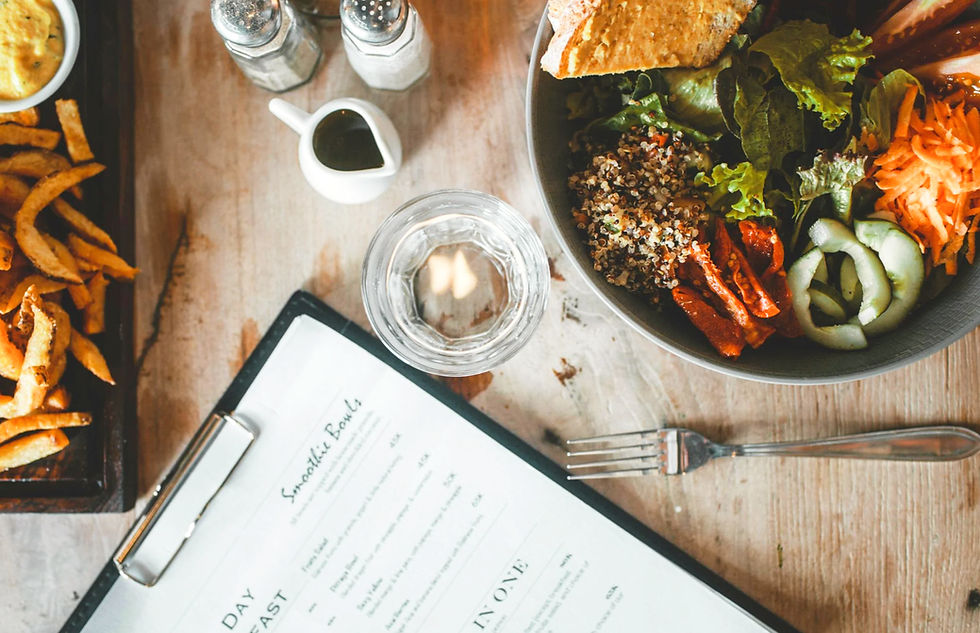
Some items to look for include grilled proteins, fresh fruit, salads with protein options, oatmeal, and freshly-made sandwiches on whole-grain bread. Grilled proteins are typically a better choice because they contain less added fat and fewer heavily processed oils compared to fried options. I would also be cautious with salad dressings, as they can add a significant amount of hidden fats, sugars, and calories. Whenever possible, I recommend opting for them on the side so you can control how much you use.
The goal of any meal, even ones at the airport, should be to build a balanced plate. One that contains protein, fiber-rich carbohydrates, and healthy fats. A prime example of this is a grilled chicken salad with strawberries, nuts, cheese, and olive oil dressing. Others include a turkey sandwich with fruit on the side, oatmeal topped with nuts, fruit, and honey, or a chicken Caesar salad wrap with dressing on the side.
3. Pre-Board, In-Flight, Landed!
Now that you know how to pack snacks for success and what to look out for in airport food courts, let’s dive into the best times to eat and why timing your fuel matters more than you might think.
For shorter trips, before boarding or post-flight is typically the best time to eat a full meal. I say this with a grain of salt, because above all, you should be listening to your hunger cues. If you have an early morning flight and you’re not someone who typically eats early in the morning, don’t scarf down a meal before or after the flight just for the sake of it. Same goes for late-night flights or any other time of day.
During flights, it’s important to stay hydrated, rely more on your own snacks than the junk they give you in-flight, and avoid snacking out of pure boredom. Choosing protein-focused options will help keep you satiated until your post-flight meal too. For longer flights, I recommend packing multiple snacks and eating at normal meal intervals when possible.
4. Healthy Travel Mindset
It’s important to also remember that, at the end of the day, you are traveling. Not everything is going to go smoothly 100% of the time. Sometimes you’ll have to choose snacks and meals that aren't exactly what you wanted. But, I promise you, one or two airport snacks and/or meals are not going to ruin your progress. The key here is in focusing on consistency rather than perfection. Think about it from a mindset of fueling your trip rather than restricting it. The priority should be rooted in your energy, digestion, and feeling your best upon arrival.
Traveling doesn’t have to mean abandoning your healthy habits. Traveling can mean remaining intentional with your choices, fueling your body with purpose, and finding a balance that allows you to enjoy the experience while still feeling your best when you arrive. With these healthy travel hacks in mind, you’ll be fully equipped to tackle your vacation with the right mindset, energy levels, and food choices. Choose what serves you, stay both flexible and consistent, and enjoy the journey. Safe travels!
Thumbnail Credit:


Comments